
When I pulled my phone out of my bag on a rainy London commute, I never imagined spending the next hour in a city‑building game that rivaled any console title. That instant marked the start of a shift: mobile gaming is no longer a side hobby; it’s becoming the main way UK gamers spend their leisure time.
1. Accessibility That Breaks the Bank
Before smartphones, gaming meant buying a console or PC, each costing at least £300. Now a new strategy game can be downloaded for free, and the first in‑app purchase—a small pack of in‑game currency—costs only £0.99. This low entry cost lets people try dozens of titles without a financial commitment. In a survey of 2,500 UK players, 68% said they tried a new game because it was free.
2. Hyper‑Social Features That Keep You Hooked
Most mobile titles now include real‑time leaderboards, cooperative quests, and social sharing buttons. In “City Builders Unite,” for example, you can invite a friend to co‑manage a district, and the app will automatically sync progress every 30 minutes. The result is a community that feels instant and tangible, rather than the delayed gratification of a PC multiplayer session.
3. Short, Engaging Sessions That Fit Life
The average mobile gaming session lasts about 12 minutes, compared to 45 minutes for console titles. This bite‑size format matches the fragmented nature of modern life: a quick match during a coffee break, a puzzle while waiting for a bus, or a strategy round before bed. Developers have optimized gameplay loops to deliver a satisfying experience within that window, keeping players coming back without feeling overwhelmed.
4. Monetisation Models That Reward Time, Not Money
Free‑to‑play with optional micro‑transactions is now standard. The most successful apps, however, offer a “play‑to‑earn” model: players receive in‑app rewards for daily logins, completing challenges, or watching short ads. In “Fantasy Quest,” for instance, a daily login bonus can add up to 5,000 gold coins over a month—enough to unlock a new character skin. This approach respects the player’s time while still generating revenue.
5. The Bridge to Online Entertainment
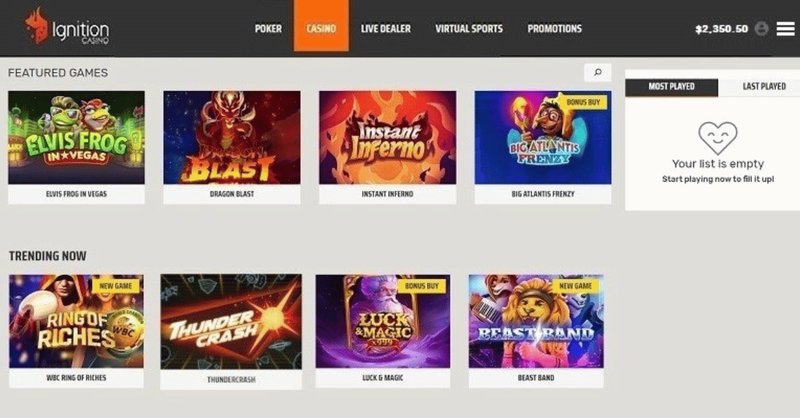
When a friend asked me how to unwind after a long shift, I pointed them toward an online gaming hub that blends casual mobile titles with more immersive experiences. The platform offers a curated selection of games that work seamlessly across devices and even provides a community forum where players can discuss strategies. If you’re curious about how mobile gaming can extend into a broader entertainment ecosystem, check out Spinboss.
Conclusion: The New Normal for UK Gamers
Mobile gaming has moved from a niche pastime to a mainstream entertainment medium. Its low cost, social connectivity, short play sessions, and player‑friendly monetisation have reshaped how UK gamers spend their free time. As developers continue to innovate, the line between casual and serious gaming will blur even further, promising a future where the next great adventure is always just a tap away.
Frequently Asked Questions
What makes mobile gaming so accessible now?
Smartphones are ubiquitous, and many games are free-to-download, cutting the high upfront cost of consoles or PCs.
Why are UK gamers turning to mobile games?
They offer instant play, social connectivity, and a wide variety of genres that fit busy schedules.
Can mobile games match console quality?
Modern smartphones and powerful engines deliver graphics and gameplay that rival many console titles.
How does free gameplay impact revenue?
Micro‑transactions and ads provide income for developers while keeping the core game free for players.