

For Canadian adults who prefer using a phone, the difference between a mobile browser and an installed app can affect convenience, privacy and everyday account management. The spinsy online casino is presented as a responsive website rather than a service requiring a native download. That makes the choice relatively straightforward: use the browser when you want temporary or flexible access, or create a home-screen shortcut when you want a quicker route back to the same mobile account. The practical differences are worth understanding before choosing how to browse.
What changes between a browser and a shortcut?
A mobile browser is the primary access method. On Android or iOS, a player opens the website in the usual browser and uses the mobile layout for casino browsing, live casino, sports betting, account controls, promotions and cashier functions. The layout is designed to adjust to a smaller display, so menus, categories and account areas are arranged for touch navigation rather than a desktop screen.
A home-screen shortcut does not create a separate account or a second balance. It is essentially a saved route to the mobile website. On Android, the shortcut can be added through the browser’s “Add to Home screen” option. On iPhone, the equivalent process uses the Share menu and the option to add the page to the home screen. Selecting the shortcut opens the same web-based account environment.
This distinction matters because a shortcut should not be treated as proof of a native application. There is no need to assume that an App Store or Google Play installation is required, and users should be cautious about downloading unofficial files that imitate a gambling website. The browser route also means updates to the mobile interface are delivered through the website, rather than through a separate app update. For most users, the choice is about speed of access and screen organisation, not different functionality.
Choose the access method that fits your routine
The browser is usually the more flexible option for occasional use. It avoids adding another icon to the phone and can be opened only when needed. It may also suit someone who shares a device, uses private browsing habits, or wants to keep gambling-related shortcuts off the home screen. The trade-off is that the web address must be entered or found through a saved bookmark each time.
A shortcut makes sense when the service is used regularly and quick access is more important than keeping the home screen minimal. One tap can open the mobile site, after which the user may still need to sign in, complete security checks or confirm account details. The shortcut does not bypass authentication, verification or any account safeguards. It simply reduces the number of navigation steps before the website loads.
Before adding one, consider the phone’s wider environment. A home-screen icon may be visible to anyone who handles the device, while browser history, saved passwords and notifications can also reveal account activity. A lock screen, device passcode and sensible browser settings are therefore more important than the shortcut itself. Users should also avoid saving credentials on a shared phone and should sign out when another person may access the device.
Make browsing easier without losing control
Small display choices can make mobile browsing more manageable. Use the phone in portrait mode for menus and account pages, but consider landscape mode where a game or live table feels cramped. Keep the browser updated, close unrelated tabs and use a stable connection before opening a live feature. If a page loads incorrectly, refreshing the site or reopening the browser may solve the problem without requiring an app.
Search and category filters are especially useful on a phone because scrolling through a large catalogue can be tiring. Instead of repeatedly swiping through every title, a user can search by name or narrow the display by categories such as slots, table games, live games, instant games or jackpots. Provider filters can also reduce the number of results. These tools help browsing remain deliberate rather than turning into unstructured scrolling.
Security habits should accompany convenience. The Canadian Centre for Cyber Security’s online safety guidance provides general information about protecting accounts and devices; it does not confirm any casino-specific feature or policy. In practical terms, users should check the address bar before entering credentials, avoid links received through unknown messages, and use a unique password. Public Wi-Fi may be suitable for general browsing, but sensitive account actions are better handled on a trusted connection.
Where mobile browsing has practical limits
A responsive website can provide broad access, but a phone does not offer the same physical space as a laptop or desktop. Detailed promotion terms, transaction histories and verification instructions may require more scrolling. Small text can make it harder to compare conditions, while a weak connection can interrupt a live stream or cause a page to reload. These are limitations of the device and connection, not necessarily signs that the website is unavailable.
Mobile use can also make fast decisions feel effortless. A short session may begin with browsing and then move quickly into account or betting areas. That is one reason to pause before selecting any transaction or promotional option. Read the current terms shown in the account before accepting an offer, and do not assume that a promotion seen on a desktop page has identical conditions on mobile. Requirements can depend on the account, region and campaign.
Verification is another point where patience may be needed. If the account requests identity, payment or address information, a phone camera can help with document capture, but poor lighting or incomplete images may delay review. Users should submit documents only through the authenticated account or an officially confirmed support route. If access problems occur, the published support channels can help, although sensitive changes may require identity checks before they are completed.
Set up a shortcut only after checking these details
Adding a shortcut is simple, but it is worth checking the basics first. Open the correct mobile website in the browser, confirm that the page displays normally and ensure the phone has enough storage and a current operating-system version. Then use the browser’s built-in home-screen option rather than installing an unfamiliar package. The shortcut should open the web account in the browser, not request unusual permissions or redirect to unrelated software.
Once created, place the icon somewhere that matches your privacy preference. A discreet folder may be preferable on a shared device, while a visible icon may be convenient on a personal phone. Review browser password settings and device notifications at the same time. If the phone is lost, use the device’s remote-lock tools and change important passwords from another trusted device. Removing the shortcut later does not necessarily clear browsing history or saved credentials.
Finally, treat the shortcut as a convenience feature, not a reason to use the service more often. Decide in advance how long a session should last and what activity is acceptable before opening the site. If gambling stops feeling recreational, use the available account-support route to ask about self-exclusion. Public descriptions of additional self-service controls may vary, so confirm which options are actually available to the account instead of assuming every mobile user sees the same tools.
Mobile access questions readers often ask
Is the home-screen shortcut a separate mobile app?
No. The shortcut opens the responsive mobile website in the browser. It does not create a separate account, balance or application installation. Users should not download unofficial files that claim to provide a mobile version, especially if the source or requested permissions are unclear.
Can mobile users browse games without installing software?
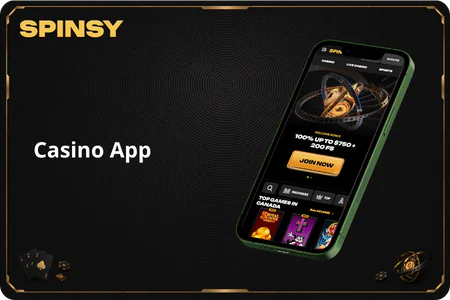
Yes, the supplied information describes browser-based access for Android and iOS. Casino categories, search and filters are available through the mobile site, and many listed titles support demo play. Performance can still depend on the phone, browser, connection and the individual game.
What should I do if the mobile page does not work properly?
Check the web address, update the browser, reload the page and try a trusted connection. Clearing a temporary cache or reopening the browser may help. If the issue continues, contact official support and avoid sending credentials or identity documents through unverified messages or third-party channels.